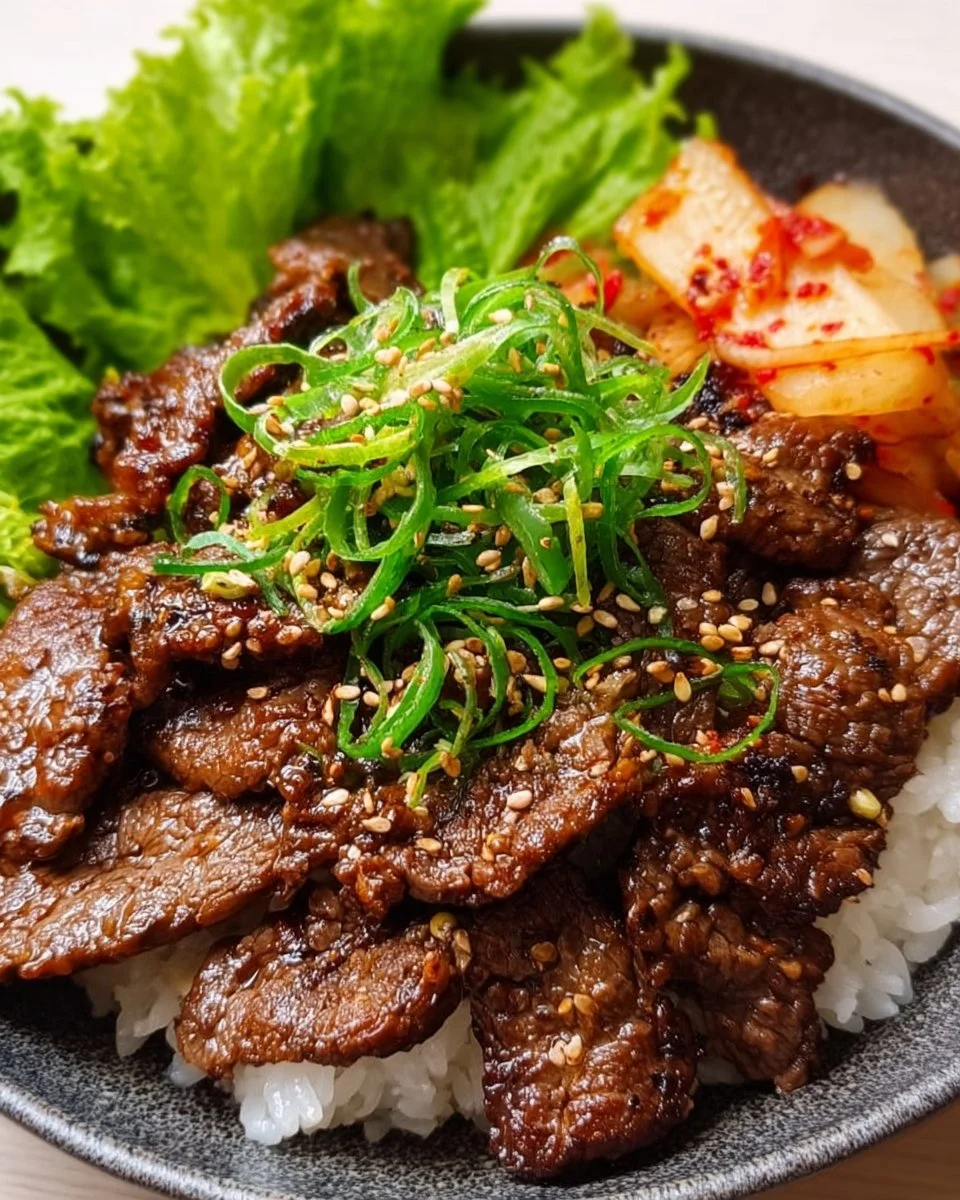
As the savory aroma of Korean Beef Bulgogi wafts through your kitchen, you can’t help but feel a rush of excitement. The sizzle of marinated beef hitting a hot skillet captivates your senses, heralding the arrival of a dish revered for its vibrant flavor and tender texture. Each bite unfolds a delightful contrast—the sweetness of soy sauce and brown sugar juxtaposed with the umami embrace of garlic and ginger. Mouthwatering caramelization draws you in, compelling you to reach for a morsel wrapped in crisp lettuce, bursting with flavor and refreshing crunch. Bulgogi isn’t just food; it’s an experience, a culinary journey that lifts the spirit and warms the heart.
This dish, a beloved staple in Korean cuisine, offers more than just taste. Its rich history, deep-rooted in traditional rituals and familial gatherings, invites you not only to enjoy a meal but to partake in a shared experience. The rich, luxurious feel of ribeye or sirloin beef, lovingly marinated and grilled to perfection, creates a feast that’s perfect for cozy dinners or vibrant celebrations. Whether served with rice or artfully wrapped in leafy greens, each bite of Korean Beef Bulgogi tells a story, one that instills joy and satisfaction.
Why You’ll Love This Korean Beef Bulgogi
Korean Beef Bulgogi stands out in the culinary world for numerous reasons. First and foremost, its flavor profile captures a harmonious blend of sweet, savory, and umami, appealing to many palates. The marinated beef, tender and juicy, practically melts in your mouth while carrying the essence of ginger and garlic that ties it all together. This recipe shines at gatherings where the rich scents of grilling beef mingle with laughter and good company.
Moreover, Bulgogi adapts flawlessly to various occasions. Be it a casual family dinner or an extraordinary weekend gathering with friends, this dish never fails to impress. And the best part? It’s incredibly quick to prepare. With a little planning, you can marinate your beef ahead of time, resulting in a dish brimming with flavor and guaranteed to be a crowd-pleaser. The fresh crunch of vegetables adds texture, making every bite a delightful experience of layers.
Preparation Phase & Tools to Use
Before diving into this mouthwatering recipe, let’s make sure you have all the right tools at hand to create magic in your kitchen. Here’s what you’ll need:
- Sharp Knife: For cutting your beef thinly against the grain, which is key to achieving that tender texture.
- Large Bowl: Mixing your marinade and marinating the beef requires ample space for mixing and coating.
- Grill Pan or Cast Iron Skillet: These tools provide that searing heat necessary for caramelization, ensuring the beef gets that delicious crust.
- Spatula or Tongs: Useful for flipping the beef in the pan without losing its juicy goodness.
Having everything prepped and organized beforehand will make your cooking experience seamless and enjoyable. Take the time to arrange your ingredients and tools neatly, allowing for a confident and less chaotic culinary journey.
Ingredients for Korean Beef Bulgogi
Gather the following fresh ingredients to create this tantalizing dish:
- 680 g ribeye or sirloin steak: Look for marbled cuts for best flavor and tenderness. You can substitute with flank steak if necessary.
- 90 ml soy sauce: The saltiness and depth of flavor enhance the beef beautifully.
- 36 g brown sugar: This sweetener creates a rich glaze and balances the savory notes.
- 30 ml sesame oil: Adds nuttiness and depth to the marinade.
- 4 garlic cloves, minced: Essential for that aromatic kick.
- 15 g fresh ginger, grated: Provides warmth and spice, complementing the sweetness.
- 60 g Asian pear or red apple, grated: This addition tenderizes the meat and infuses a subtle fruity sweetness; a pear will yield the best results.
- 30 ml mirin (optional): This Japanese rice wine adds a touch of complexity.
- 15 g gochujang paste (optional): For those who enjoy a spicy touch.
- 0.25 g ground black pepper: A sprinkle enhances the marinade’s flavor.
- 14 g green onion, finely chopped: Fresh and vibrant, adding color and taste.
- 5 g toasted sesame seeds: For garnish; they contribute a delightful crunch.
- 15 ml neutral oil: Used for cooking the beef, it allows the flavor of the meat to shine.
- 1 small onion, thinly sliced: This adds sweetness and texture to the dish.
- 1 medium carrot, julienned: Adds crunch and a sweet bite.
- 100 g mushrooms (shiitake or white button), sliced: Their earthy flavor enhances the dish.
- 15 g butter, melted: Drizzled at the end for rich glossiness.
- 15 g honey: For an additional hint of sweetness.
- Cooked rice, for serving: Perfect for soaking up all those glorious juices.
- Lettuce leaves or perilla leaves, for wrapping: They provide a refreshing wrap that balances the flavors.
- Extra toasted sesame seeds and sliced green onions, for garnish: Elevate the visual appeal of your presentation.
Key Ingredients and Possible Substitutions
While these ingredients create a harmonious balance, don’t hesitate to get creative. For instance, if you can’t find Asian pear, a bit of grated apple or even pear can do the trick, bringing its unique sweetness. As for soy sauce, low-sodium soy sauce caters to those who prefer less salt. And if you like your Bulgogi with an extra kick, a dash of chili flakes or sriracha can transform your dish into a fiery delight.
How to Make Korean Beef Bulgogi
Creating Korean Beef Bulgogi involves a few simple yet crucial steps that yield incredible results. Follow these instructions closely to experience the best of this dish.
-
Chill the Beef: Place the ribeye or sirloin steak in the freezer for about 30 minutes. This process makes it easier to slice thinly against the grain, ensuring maximum tenderness.
-
Slice the Beef: After chilling, use a sharp knife to cut the beef into paper-thin slices. Aim for about a quarter-inch thickness; this will allow for quick marination and cooking.
-
Prepare the Marinade: In a large bowl, whisk together soy sauce, brown sugar, sesame oil, minced garlic, grated ginger, and grated pear (or apple). If you enjoy a touch of spice, add gochujang and black pepper. Once combined, stir in the chopped green onions and toasted sesame seeds.
-
Marinate the Beef: Gently toss the sliced beef into the marinade, ensuring every piece is evenly coated. Cover the bowl with plastic wrap or transfer it to a ziplock bag. Refrigerate for at least 60 minutes, but ideally overnight for intensified flavors.
-
Prep the Vegetables: While the beef marinates, thinly slice the onion, julienne the carrot, and slice the mushrooms. Set aside; these will complement the beef perfectly.
-
Heat the Skillet: Preheat your grill pan or cast iron skillet over medium-high heat. Pour in the neutral oil, ensuring it covers the bottom evenly.
-
Sear the Meat: Once the skillet is hot, add the marinated beef in batches to avoid overcrowding. Sear each side for about 2–3 minutes until caramelized and slightly charred—this is where those flavorful crusts form.
-
Glaze with Butter and Honey: As the beef finishes cooking, drizzle the melted butter and honey mixture over it. Quickly toss to glaze the meat, then immediately remove from heat and set aside.
-
Sauté the Vegetables: Using the same skillet, add the onion, carrot, and mushrooms. Stir-fry for about 3–4 minutes until they soften and become vibrant.
-
Plate the Dish: Arrange the beef and vegetables artfully on a platter. Garnish with additional sesame seeds and sliced green onions, making it visually enticing.
-
Serve: Enjoy Korean Beef Bulgogi as it is, or wrap it in lettuce or perilla leaves with some rice. Add kimchi on the side for that classic Korean experience.
Chef’s Notes & Helpful Tips
-
Make-Ahead Tips: Marinate the beef the night before and let it sit in the fridge. The flavors deepen, making the dish outstandingly delicious.
-
Cooking Alternatives: You can experiment with an air fryer or oven for cooking the beef. Adjust the temperature and timing accordingly, but you might miss that lovely sear the skillet provides.
-
Customization Ideas: Feel free to add more vegetables like bell peppers or zucchini, or switch out the beef for chicken or tofu for a lighter option.
Common Mistakes to Avoid
To ensure a successful Bulgogi experience, avoid these common pitfalls:
-
Slicing Against the Grain: Cutting the beef against the grain is essential for tenderness. Always check the muscle fibers and slice perpendicular to them.
-
Over-Marinating: While marinating adds flavor, overdoing it can make the beef too soft. Stick to recommended times for the best texture.
-
Overcrowding the Pan: Cooking the beef in smaller batches allows for better searing. Overcrowding results in steaming rather than caramelizing, leading to less flavor.
What to Serve With Korean Beef Bulgogi
Pair your delightful Bulgogi with these sumptuous sides to create a balanced meal:
- Steamed Rice: The classic accompaniment that absorbs the rich sauces beautifully.
- Kimchi: The tangy, spicy notes contrast wonderfully with the sweet beef.
- Korean Pickled Radish: This refreshing side adds crunch and a palate-cleansing zing.
- Cucumber Salad: Crisp and vibrant, a light salad with sesame dressing complements the richness of the Bulgogi.
- Japchae: Sweet potato noodles stir-fried with vegetables provide a delightful texture alongside the beef.
- Grilled or Roasted Vegetables: Seasonal vegetables add color and nutrients to your plate.
- Spicy Noodle Soup: A warming touch to round out the meal with comforting flavors.
Storage & Reheating Instructions
To store leftovers, transfer any uneaten Bulgogi to an airtight container and keep it in the fridge for up to 3 days. For longer storage, freeze portions in freezer bags, removing as much air as possible. Reheat in a skillet over medium heat until warmed through, adding a splash of water or broth if necessary, to maintain tenderness.
Estimated Nutrition Information
Enjoying Korean Beef Bulgogi provides nourishment along with its flavor. Approximate values per serving include:
- Calories: 450
- Protein: 30g
- Carbohydrates: 25g
- Fat: 25g
These values may vary based on specific ingredient choices and quantities you use.
FAQs
1. Can I use other meats besides beef?
Yes! You can use chicken, pork, or even tofu as a delicious alternative. Each will absorb the marinade beautifully, creating a unique take on the traditional dish.
2. Is Bulgogi spicy?
Bulgogi is generally not spicy unless you add gochujang or red pepper flakes. Adjust the level of spiciness to your preference.
3. Can I grill Bulgogi outdoors?
Absolutely! Grilling provides a delightful smoky flavor. Just be sure to monitor the heat for even cooking.
4. What if I can’t find Asian pear?
If unavailable, use a sweet red apple for a similar texture and sweetness. Grated pear works best for balancing flavors in the dish.
5. How do I store and reheat leftovers?
Keep leftovers in an airtight container in the fridge for three days. You can reheat them in a skillet, adding a splash of water to keep the meat tender.
Conclusion
In the world of flavor, Korean Beef Bulgogi reigns supreme, charming food lovers with its rich taste and heartfelt essence. As you prepare this dish, the world will melt away, leaving only the intoxicating scents and vibrant colors of your meal. So go ahead, gather your ingredients, unleash your culinary creativity, and let Korean Beef Bulgogi grace your table. Whether it’s a cozy weeknight dinner or a lively gathering, this dish not only satisfies hunger but ignites happiness and warmth. Try it today and let the flavors transport you to a bustling Korean marketplace, alive with culture and the joy of sharing delicious food. Enjoy every delicious bite!
Print
Korean Beef Bulgogi
- Prep Time: 30 minutes
- Cook Time: 20 minutes
- Total Time: 50 minutes
- Yield: 4 servings 1x
- Category: Main Course
- Method: Grilling
- Cuisine: Korean
- Diet: Paleo
Description
Korean Beef Bulgogi is a savory dish featuring marinated, tender beef grilled to perfection, wrapped in lettuce leaves with fresh vegetables.
Ingredients
- 680 g ribeye or sirloin steak
- 90 ml soy sauce
- 36 g brown sugar
- 30 ml sesame oil
- 4 garlic cloves, minced
- 15 g fresh ginger, grated
- 60 g Asian pear or red apple, grated
- 30 ml mirin (optional)
- 15 g gochujang paste (optional)
- 0.25 g ground black pepper
- 14 g green onion, finely chopped
- 5 g toasted sesame seeds
- 15 ml neutral oil
- 1 small onion, thinly sliced
- 1 medium carrot, julienned
- 100 g mushrooms (shiitake or white button), sliced
- 15 g butter, melted
- 15 g honey
- Cooked rice, for serving
- Lettuce leaves or perilla leaves, for wrapping
- Extra toasted sesame seeds and sliced green onions, for garnish
Instructions
- Chill the Beef: Place the ribeye or sirloin steak in the freezer for about 30 minutes.
- Slice the Beef: After chilling, cut the beef into paper-thin slices.
- Prepare the Marinade: In a large bowl, whisk together soy sauce, brown sugar, sesame oil, minced garlic, grated ginger, and grated pear (or apple). Add gochujang and black pepper if desired.
- Marinate the Beef: Toss the sliced beef in the marinade, cover, and refrigerate for at least 60 minutes.
- Prep the Vegetables: Slice the onion, julienne the carrot, and slice the mushrooms.
- Heat the Skillet: Preheat grill pan or cast iron skillet over medium-high heat and add neutral oil.
- Sear the Meat: Cook the marinated beef in batches for about 2-3 minutes per side until caramelized.
- Glaze with Butter and Honey: Drizzle melted butter and honey over the beef and toss to coat.
- Sauté the Vegetables: Stir-fry the onion, carrot, and mushrooms for 3-4 minutes until softened.
- Plate the Dish: Arrange the beef and vegetables on a platter, garnishing with sesame seeds and green onions.
- Serve: Wrap the beef in lettuce or perilla leaves with rice, and enjoy with kimchi on the side.
Notes
Marinate the beef overnight for deeper flavor; avoid overcrowding the pan while cooking for better searing.
Nutrition
- Serving Size: 1 serving
- Calories: 450
- Sugar: 10g
- Sodium: 800mg
- Fat: 25g
- Saturated Fat: 7g
- Unsaturated Fat: 15g
- Trans Fat: 0g
- Carbohydrates: 25g
- Fiber: 3g
- Protein: 30g
- Cholesterol: 85mg